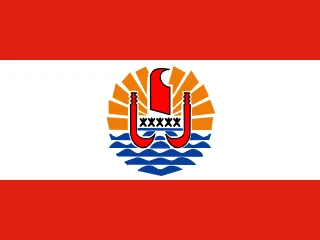
 French Polynesia
Is French Polynesia safe to travel to right now?
Updated December 2, 2024 · Source: U.S. State Dept · also UK FCDO, Canada
Level 1: Exercise normal precautions
U.S. State Department: Level 1, Exercise Normal Precautions. Advisory updated December 2, 2024. Page built November 28, 2026; open the live page for the current level.
What governments say
- U.S. State DeptLevel 1: Exercise normal precautions
- UK FCDOFCDO no advice against travel
- CanadaExercise normal security precautions
- UK FCDO (December 10, 2025): New information about dual nationals returning to the UK (‘Entry requirements’ page).
- Canada (October 15, 2026): Natural disasters and climate section – added information on El Niño
The State Department's feed doesn't say what changed in its own advisory (last updated December 2, 2024).
What the State Department says
Exercise normal precaution in French Polynesia .
Review the travel guidance section for additional information on travel to French Polynesia.
Entry requirements
- The 12-page U.S. emergency passport is not valid for visa-free entry into France.
- U.S. citizens do not need a visa if entering on a regular tourist passport and staying no more than 90 days out of every six months.
- If the purpose of the trip is not tourism (work, scientific research, etc.), then you may be required to obtain a visa before arrival in French Polynesia.
Health and vaccines
- Be up-to-date on all vaccinations recommended by the U.S. Centers for Disease Control and Prevention.
- Travelers should consider being vaccinated for hepatitis A and typhoid, which can be transmitted through contaminated food and water.
Safety by region
The U.S. advisory for French Polynesia doesn't list regions with their own level.
Emergency and embassy
- Police
- 112
- Ambulance
- 112
- Fire
- 112
- U.S. mission
- U.S Consular Services in French Polynesia
- Address
- Centre Tamanu Iti, 1er etage, 98718 Punaauia, French Polynesia
- Phone
- +(679) 331-4466
Covered if plans change?
Many health plans don't pay abroad. The State Department explains what to check before you buy travel or medical insurance.
Money, plugs and quick facts
- Capital
- Papeetē
- Currency
- CFP franc (XPF)
- Languages
- French
- Plugs
- Type A, B, C, E, F · 110 V / 220/380 V
- Drives on the
- right
- Emergency
- 112
- Calling code
- +689
Weather by month in Papeete
| Month | Jan | Feb | Mar | Apr | May | Jun | Jul | Aug | Sep | Oct | Nov | Dec |
|---|---|---|---|---|---|---|---|---|---|---|---|---|
| High °C | 28 | 29 | 29 | 29 | 28 | 27 | 27 | 27 | 27 | 27 | 28 | 28 |
| Low °C | 26 | 26 | 26 | 26 | 26 | 25 | 24 | 24 | 24 | 24 | 25 | 26 |
| Rain mm | 385 | 381 | 247 | 232 | 138 | 125 | 102 | 90 | 112 | 147 | 204 | 358 |
Traveling with a pet
Hatchlore has not checked an official pet-import page for French Polynesia. That is unverified, not a statement that pets are allowed or refused.
About French Polynesia
French Polynesia is an overseas collectivity of France and its sole overseas country; it is classified as a non-self-governing territory by the United Nations. It comprises 121 geographically dispersed islands and atolls stretching over more than 2,000 kilometres in the South Pacific Ocean.