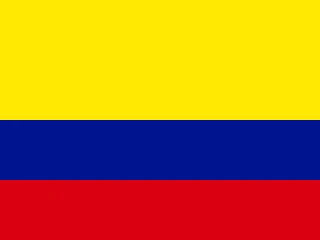
 Colombia
Is Colombia safe to travel to right now?
Updated March 31, 2026 · Source: U.S. State Dept · also UK FCDO, Canada
U.S. State Department: Level 3, Reconsider Travel. Advisory updated March 31, 2026. Page built November 28, 2026; open the live page for the current level.
What governments say
- U.S. State DeptLevel 3: Reconsider travel
- UK FCDOFCDO advises against all but essential travel to parts of the country
- CanadaExercise a high degree of caution (with regional advisories)
- UK FCDO (November 23, 2026): Removal of information about the the temporary deployment of security forces in the city of Cucuta (‘Warnings and Insurance’ page).
- Canada (November 2, 2026): The Health section was updated - travel health information (Public Health Agency of Canada)
The State Department's feed doesn't say what changed in its own advisory (last updated March 31, 2026).
What the State Department says
Reconsider travel to Colombia due to crime, terrorism, civil unrest, kidnapping, and natural disasters. Some areas have an increased risk. Read the entire Travel Advisory.
Violent crime is common in many areas of Colombia, including murder, assault, and robbery. Other crimes, such as drugging, extortion, kidnapping, and armed break-ins—including at hotels and other places tourists stay—also occur frequently in some regions.
Street crime occurs throughout Colombia and can quickly become violent. If you are targeted by criminals, do not resist. Police procedures and investigations in Colombia differ from those in the United States, and crimes against tourists are not always prosecuted. This can be a source of frustration for victims.
Terrorism
There is risk of terrorist violence, including terrorist attacks and other activity, in Colombia. Visit the U.S. Department of State’s Country Reports on Terrorism to learn more.
Terrorists in Colombia may attack with little or no warning and target:
- U.S. government facilities
- Local government facilities
- Tourist areas and attractions
- Transportation centers
- Shopping malls and markets
- Military and police facilities
- Hotels
- Clubs
- Restaurants
- Airports
Police, military personnel, and their facilities are often targeted, including in large cities. In the past, attacks have included car bombs, grenades, explosive devices placed in buildings or on main roads, and the use of drones.
Entry requirements
- Must show a valid, non-expired Colombian passport for entry and exit.
- U.S. citizens do not need a Colombian visa for tourism or business if staying for 90 days or less.
- You must show a valid U.S. passport to enter and leave Colombia if you are not a Colombian citizen.
Health and vaccines
- CDC Level 2: Yellow Fever in Colombia
- Travelers must be up to date on all recommended vaccinations, per CDC’s information.
- Colombian health authorities encourage childhood vaccinations for children ages six and under.
Safety by region
The U.S. advisory for Colombia doesn't list regions with their own level. Canada has regional advisories for this country.
Emergency and embassy
- Police
- 112
- Ambulance
- 125
- Fire
- 119
- U.S. mission
- U.S. Embassy Bogota
- Address
- Calle 24 Bis No. 48-50, Bogotá, D.C. Colombia
- Phone
- +(57) (601) 508-8165
Covered if plans change?
Many health plans don't pay abroad. The State Department explains what to check before you buy travel or medical insurance.
Money, plugs and quick facts
- Capital
- Bogotá
- Currency
- Colombian peso (COP)
- Languages
- Spanish
- Plugs
- Type A, B · 120/208 V / 277/480 V / 120/240 V / 240/208/120 V / 240 V / 480 V
- Drives on the
- right
- Emergency
- 112 / 125 / 119
- Calling code
- +57
Weather by month in Bogotá
| Month | Jan | Feb | Mar | Apr | May | Jun | Jul | Aug | Sep | Oct | Nov | Dec |
|---|---|---|---|---|---|---|---|---|---|---|---|---|
| High °C | 19 | 20 | 19 | 19 | 19 | 19 | 19 | 19 | 20 | 19 | 19 | 19 |
| Low °C | 10 | 10 | 11 | 11 | 11 | 10 | 10 | 10 | 10 | 10 | 10 | 10 |
| Rain mm | 66 | 99 | 146 | 161 | 113 | 57 | 56 | 34 | 30 | 90 | 155 | 82 |
Traveling with a pet
Hatchlore has not checked an official pet-import page for Colombia. That is unverified, not a statement that pets are allowed or refused.
About Colombia
Colombia, officially the Republic of Colombia, is a country located in South America, with insular regions in North America. Colombia's mainland is bordered by the Caribbean Sea to the north, Venezuela to the east, Brazil to the southeast, Peru and Ecuador to the south and southwest, the Pacific Ocean to the west, and Panama to the northwest.